
Better Health Data: Turning Information into Stronger Services

Collecting information is only the beginning. Health teams also need time to understand what their records show, ask questions about missing details and decide how the information can help them organise services. That connection between reporting and everyday decisions gives data a practical purpose.

Starting with a useful question
A review meeting works best when the team knows what it is trying to understand. Is the question about service demand, reporting completeness or the timing of routine activities? Defining the question first helps colleagues decide which information belongs in the discussion.
A simple example would be a team comparing aggregate attendance patterns across several weeks. Before drawing a conclusion, colleagues could check whether records cover the same period and ask whether a change in opening hours affected the pattern. The point is to investigate, rather than let a chart speak for itself.
Choosing tools around real needs
WHO’s digital health approach includes turning evidence into action and matching digital solutions to country needs. It also recognises the importance of standards that allow systems to share information appropriately. Explore WHO’s digital health work.
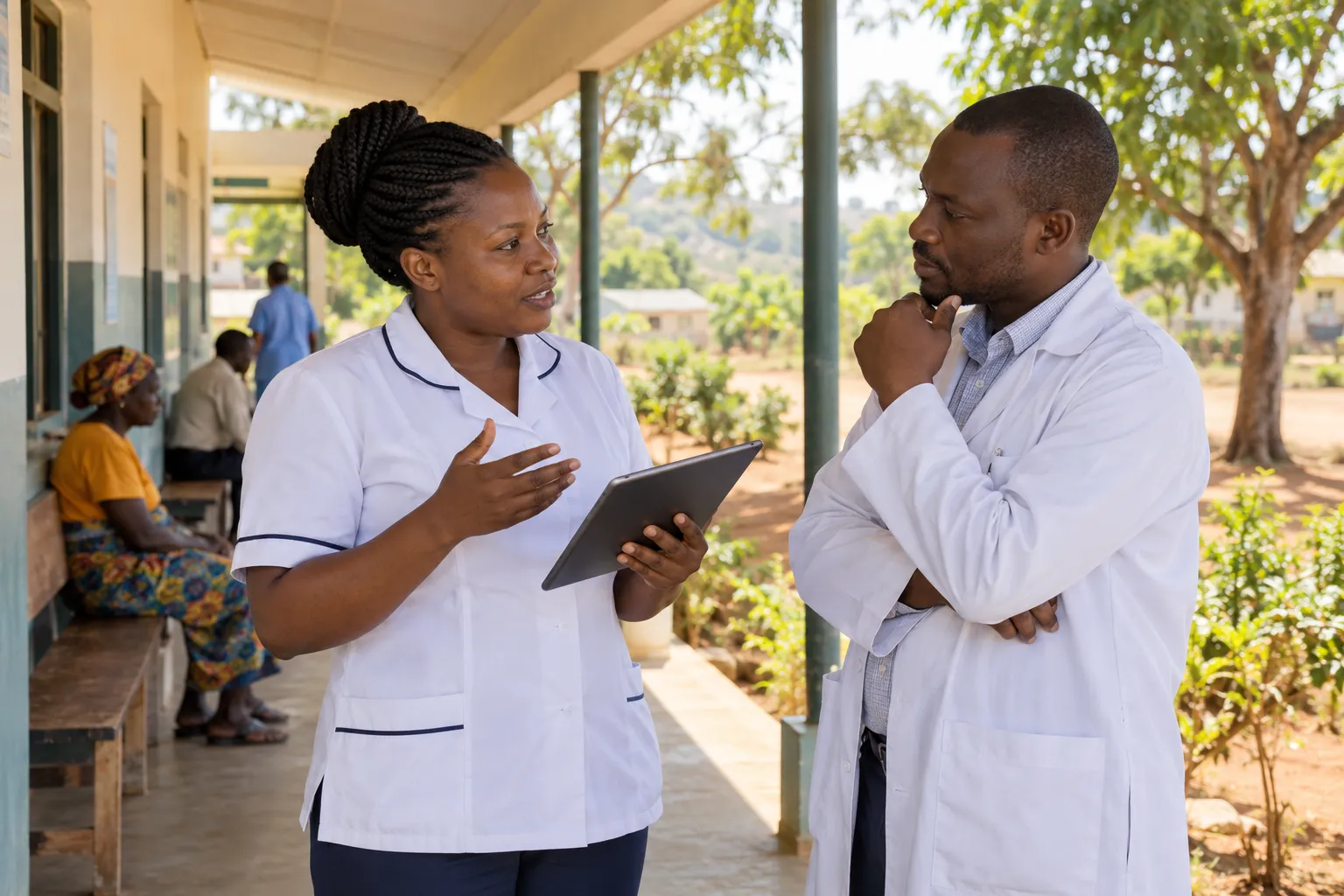
At facility level, a useful planning conversation starts with the people who will use a tool. What task should it support? What training will staff need? How will the team handle an interruption? These questions help keep the discussion grounded in the working environment.
Building a routine of review
Information should be handled with care. A planning discussion can often use aggregate summaries, while access to identifiable records should follow the organisation’s approved rules. A clear purpose for each report helps teams think about what information is actually necessary.
A short, regular review can connect reporting with action: agree on a question, check the available information, record a decision and revisit it later. The value lies in what colleagues understand and do with the information. Keeping this process practical gives data a place in the work of improving services.