

 TanzaniaOct 16, 2026
Dodoma Women's Groups Bring Nutritious Gardens Home
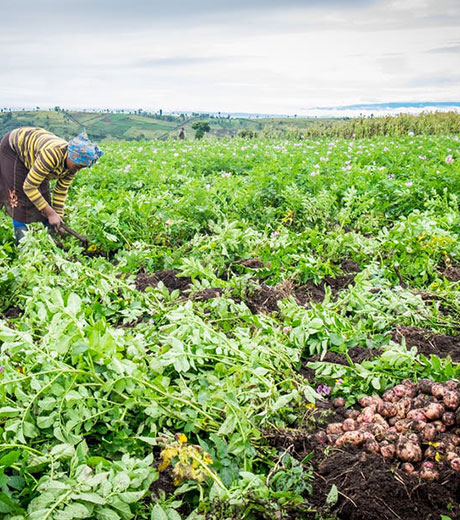
In the villages around Dodoma, rain is unpredictable and long dry seasons are common. Many households used to eat a single type of food for most of the year, which put children under five at risk of malnutrition.
Through a programme aligned with ECSA-HC's NCDs, Food Security and Nutrition priorities, women's groups were trained to grow vegetables in household gardens. They grow amaranth, African nightshade, orange-fleshed sweet potato and pumpkin. The gardens use simple irrigation methods that save water, such as reusing household water and covering the soil with dry grass.
Mama Rehema, leader of one of the groups, says: "Before, we only ate ugali and beans. Now my children eat vegetables every day, and I sell the surplus at the market to pay school fees."
Alongside farming, community health workers held nutrition education sessions. Mothers learned how to prepare balanced
meals, the importance of exclusive breastfeedin, and how to spot early signs of malnutrition.
Lessons learnt:
- Household gardens give families quick access to nutritious food at low cost.
- Combining farming training with nutrition eduange.
- Women's groups help spread knowledge to other households.
The programme now plans to share these lessons with other districts, in support of Member States' efforts to expand nutrition and food security programmes.
 Rwanda